
How Weather Affects Greyhound Racing: Wet vs Dry Tracks
 Available in US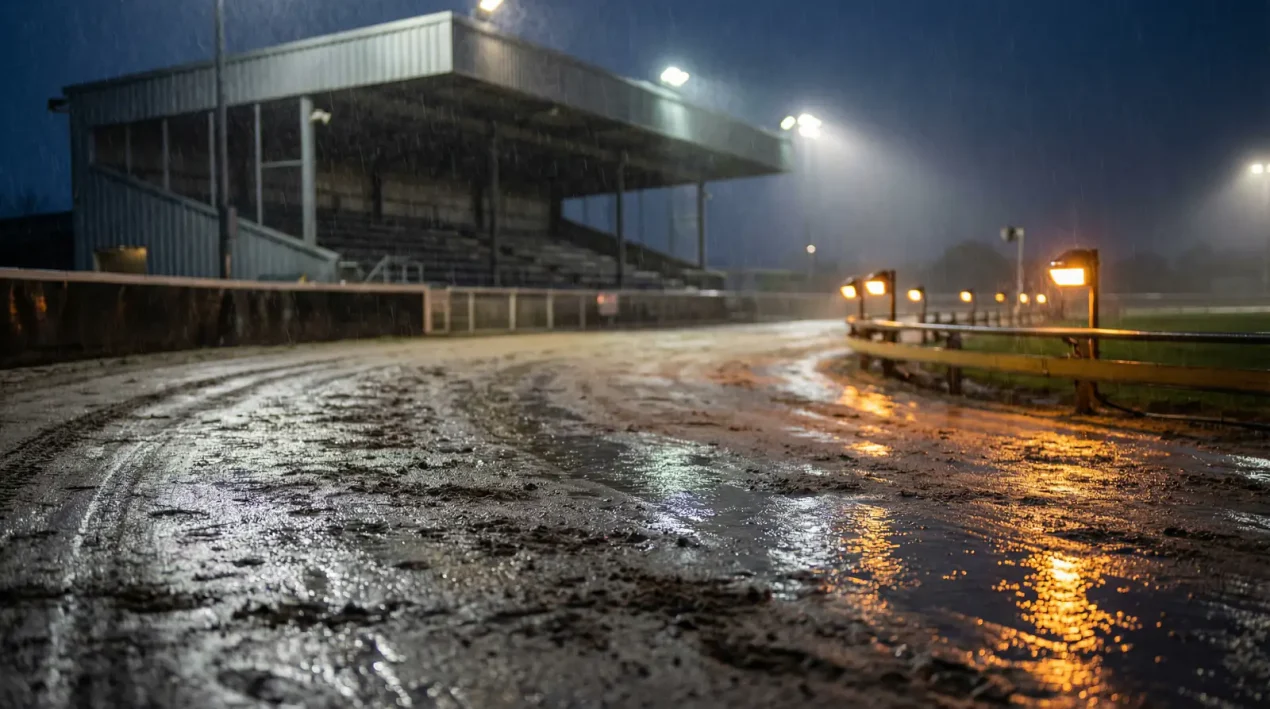
Contents
Greyhound racing happens outdoors, on sand, in a country where the weather is reliably unreliable. Yet a surprising number of punters treat track conditions as an afterthought, analysing form as though every race takes place on the same surface in the same weather. It does not. Rain changes how the sand grips. Heat hardens the track and alters going times. Wind affects the mechanical hare and, on exposed circuits, the dogs themselves. If you are assessing form without factoring in the conditions under which that form was achieved, you are working with incomplete data. Get more race analysis at greyhoundbettingsystem.
The good news is that weather-based adjustments are not complicated. They require awareness rather than advanced analysis, and the information needed is publicly available before every meeting. Checking conditions is a thirty-second task that can materially improve the quality of your selections.
Rain and Wet Track Dynamics
Rain is the single most significant weather factor in UK greyhound racing. When water saturates the sand surface, the track becomes heavier and slower. Times increase across the board, sometimes by several lengths over a standard trip. But the effect is not uniform across all dogs and all positions, and that unevenness is where the betting angles emerge.
On a wet track, the inside rail typically offers better going than the outside. The drainage at most UK stadiums runs from the centre of the track outward, which means the inside lane sheds water more effectively than the wider sections. Railers benefit from this because they naturally run the driest line. Wide runners, already covering more ground, are now covering it on a heavier surface, compounding their disadvantage. This is why trap bias tends to shift towards inside draws on wet nights more than on dry ones.
Dogs that have previously raced well on wet tracks are worth noting. Some greyhounds handle the heavier going better than others, just as some horses prefer soft ground. A dog that ran a respectable time on a sodden track last month has demonstrated an ability that might be in demand next time the rain arrives. Conversely, a dog whose form is exclusively on fast, dry surfaces is an unknown quantity when the heavens open, and unknowns are risks that the market does not always price accurately.
Heavy, persistent rain can waterlog sections of the track, particularly around the bends where standing water accumulates. In extreme conditions, the outside of the bends can become significantly slower, turning what should be a manageable wide run into a slog through heavy sand. These conditions amplify the inside bias to the point where dogs drawn in traps 5 and 6 face a genuine structural disadvantage regardless of their ability.
Light rain or drizzle has a less dramatic effect but can still alter the surface enough to move times by a few hundredths of a second. The distinction between “damp” and “heavy” matters, and experienced track-watchers learn to read the degree of impact based on the intensity and duration of the rainfall rather than just the fact of it.
Dry and Hard Track Effects
At the other end of the spectrum, prolonged dry weather hardens the track surface and produces faster times. The sand compacts, the dogs get more purchase with each stride, and overall race times drop. Summer evening racing on a firm, dry track can produce times that are significantly quicker than winter meetings on the same circuit.
The primary implication for punters is that form achieved on a fast surface may not be reproducible when conditions change. A dog that posted a career-best time on a bone-dry August evening should not be expected to match that time on a damp November card. Comparing times across different conditions without adjustment leads to over-rating dogs whose best form was achieved in favourable circumstances and under-rating dogs whose form was compiled on slower going.
Hard tracks also tend to produce fewer surprises at the front of the market. When the surface is fast and true, the better dogs can express their ability without interference from poor conditions, and favourites convert at a higher rate. This has implications for staking and strategy: dry-track meetings may be better suited to dutching or place-based approaches, while wet meetings, with their added chaos and unpredictability, can offer more value at longer odds.
Extreme heat brings its own issues. Very high temperatures can affect dogs physically, particularly over longer distances. Greyhounds are powerful sprinters but they generate significant body heat during a race, and on hot days their ability to sustain effort can be compromised. Afternoon BAGS meetings in midsummer occasionally produce unexpected results that can be traced to the temperature as much as the form.
Wind as a Racing Factor
Wind is the most underappreciated weather variable in greyhound racing. A strong headwind down the home straight slows every dog in the race, but it affects closers disproportionately because they are typically accelerating into it. Front-runners, already up to speed and carrying momentum, handle headwinds more comfortably. On windy nights, the first-bend leader’s advantage tends to increase because the closing dog finds the headwind sapping its ability to reel in the leader.
Crosswinds can push dogs off their natural racing lines, particularly through the bends. On exposed circuits with no shelter, a strong crosswind can cause a dog to drift wider than it normally would, affecting railers who rely on a precise inside line. The hare system can also be affected by wind, with the lure running at slightly different speeds that subtly alter race tempo.
Checking the wind speed and direction before a meeting is not standard practice for most casual punters, but the information is freely available from any weather service. On nights where the wind exceeds 20-25 mph, it is worth factoring into your assessment, particularly at exposed tracks where the stands do not provide shelter to the racing surface.
Adjusting Your Strategy for Conditions
The practical application of weather analysis comes down to a few consistent adjustments. On wet tracks, favour railers and inside draws. Be sceptical of wide runners drawn outside unless they have demonstrated wet-track form. Expect slower times and adjust any time-based comparisons accordingly. Look for value in dogs whose inside-draw form on wet nights is strong but whose overall record is less impressive because most of their runs have been on dry surfaces.
On dry, fast tracks, trust form more confidently and expect the better dogs to perform to their ability. Favourites are slightly more reliable in these conditions, which means value may lie in place markets or shorter-priced selections rather than hunting for big-odds upsets.
On windy nights, increase your confidence in front-runners and reduce your expectations for closers, particularly at tracks where the home straight faces into the prevailing wind. Look at the running styles in the field and ask whether the wind direction helps or hinders each dog’s natural pattern. Also read our sectional times guide.
None of these adjustments guarantee winners. But they reduce the number of times you back a dog whose form was achieved in conditions that no longer apply, and avoiding those errors is how small edges accumulate into meaningful results over a betting season. The weather changes the track. Your approach should change with it.
